
 ★ 8.5
WatchEpisodeSeries
A man alone in an empty town who searches in vain for a single soul, a prime minister ordered to perform an unthinkable act on live television, a salesman of Minnesota who kills his wife with a hammer, nine strangers in nine rooms of nine different stories. This guide gathers 156 anthology series, with a new story in every episode or in every season, on twelve shelves: the strange and the eerie, with The Twilight Zone tradition, horror tales, science fiction tales and horror by the season; crime, life and laughter, with crime by the season, love, life and drama, sketch and story comedy and the golden age of live drama; and animation, children and the world, with the animated anthologies, the tales for children and the anthologies of Britain and Asia, with synopses, episodes and where to watch.
Trending Shelves
The Twilight Zone traditionThe Twilight Zone tradition
See all (13)★ 8.5 ★ 7.8
 ★ 7.7
 ★ 7.5
 ★ 7.8
 ★ 7.2
 ★ 7.8
 ★ 7.9
 ★ 7.2
 ★ 6.2
 ★ 6.7
 ★ 5.7
Horror talesHorror tales
See all (13)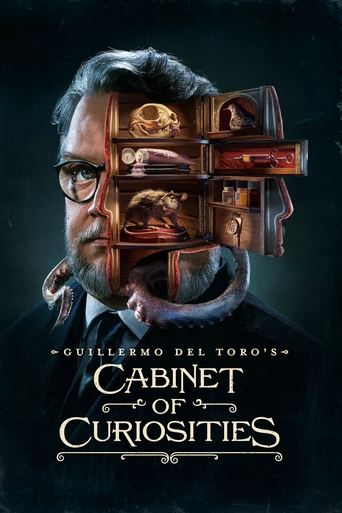 ★ 7.4
 ★ 8.0
 ★ 6.9
 ★ 7.4
 ★ 7.2
 ★ 7.0
 ★ 7.2
 ★ 6.8
 ★ 6.6
 ★ 7.2
 ★ 6.3
 ★ 6.7
Science fiction talesScience fiction tales
See all (13)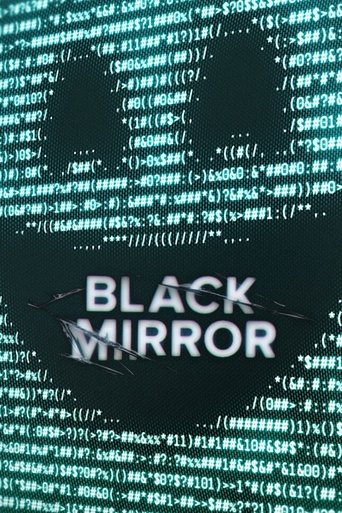 ★ 8.3
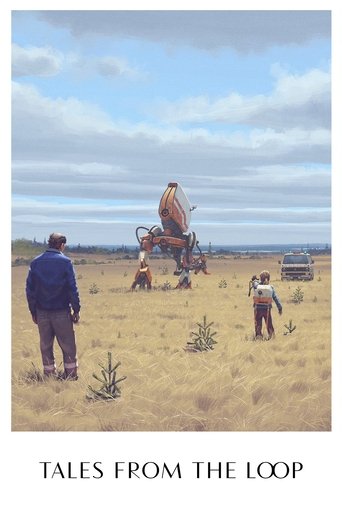 ★ 7.0
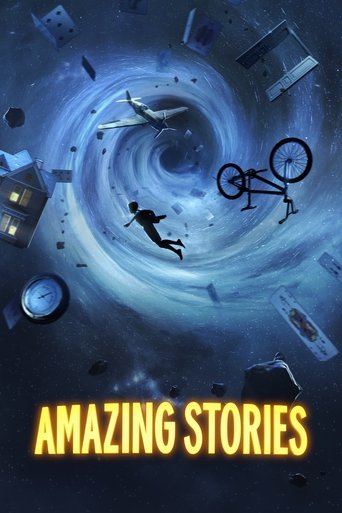 ★ 7.3
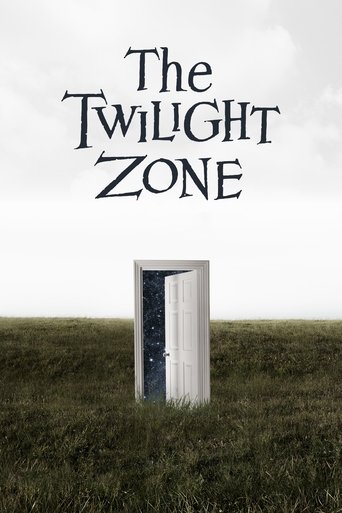 ★ 6.7
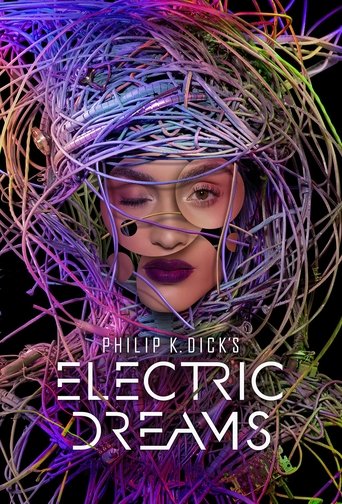 ★ 7.0
 ★ 6.7
 ★ 7.7
 ★ 7.1
 ★ 6.1
 ★ 6.3
 ★ 6.2
 ★ 6.9
Horror by the seasonHorror by the season
See all (13)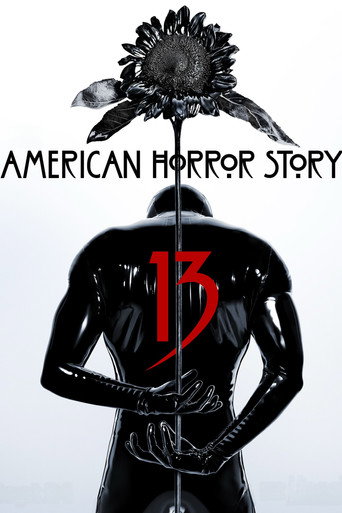 ★ 8.1
 ★ 8.1
 ★ 7.8
 ★ 7.8
 ★ 7.5
 ★ 7.6
 ★ 7.4
 ★ 7.7
 ★ 7.2
 ★ 7.6
 ★ 7.1
 ★ 7.6
Crime by the seasonCrime by the season
See all (13) ★ 7.6
 ★ 8.3
 ★ 8.3
 ★ 7.5
 ★ 7.6
 ★ 7.6
 ★ 7.0
 ★ 7.2
 ★ 7.3
 ★ 6.8
 ★ 6.7
 ★ 6.6
Love, life and dramaLove, life and drama
See all (13) ★ 7.6
 ★ 7.0
 ★ 7.3
 ★ 7.5
 ★ 7.6
 ★ 6.0
 ★ 5.7
 ★ 6.9
 ★ 6.9
 ★ 6.6
 ★ 6.4
 ★ 6.2
Sketch and story comedySketch and story comedy
See all (13) ★ 7.4
 ★ 7.7
 ★ 6.4
 ★ 6.9
 ★ 7.1
 ★ 6.9
 ★ 5.7
 ★ 7.2
 ★ 6.4
 ★ 6.7
 ★ 5.0
 ★ 6.2
The golden age of live dramaThe golden age of live drama
See all (13)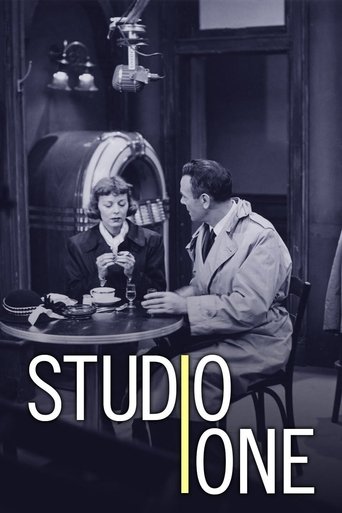 ★ 5.4
 ★ 3.8
 ★ 6.8
 ★ 6.6
 ★ 7.5
 ★ 6.2
 ★ 8.8
 ★ 6.6
 ★ 6.0
 ★ 6.7
 ★ 5.3
 ★ 6.8
Animated anthologiesAnimated anthologies
See all (13)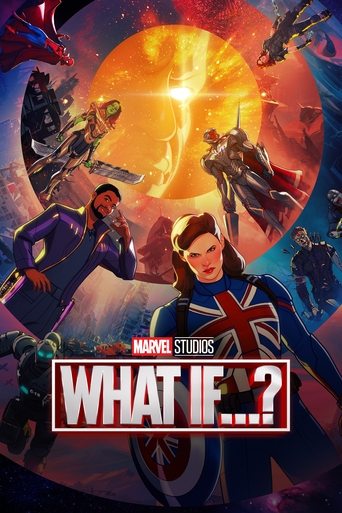 ★ 8.0
 ★ 8.2
 ★ 8.0
 ★ 7.1
 ★ 8.0
 ★ 8.1
 ★ 7.3
 ★ 7.0
 ★ 8.0
 ★ 7.3
 ★ 7.9
 ★ 6.8
Tales for childrenTales for children
See all (13) ★ 8.0
 ★ 7.6
 ★ 8.2
 ★ 8.2
 ★ 8.3
 ★ 7.8
 ★ 8.2
 ★ 8.1
 ★ 6.5
 ★ 6.3
 ★ 6.7
 ★ 6.0
British anthologiesBritish anthologies
See all (13) ★ 8.1
 ★ 7.0
 ★ 6.8
 ★ 7.3
 ★ 7.0
 ★ 6.6
 ★ 6.5
 ★ 7.1
 ★ 6.4
 ★ 7.4
 ★ 6.0
 ★ 4.7
Asian anthologiesAsian anthologies
See all (13) ★ 8.5
 ★ 8.2
 ★ 7.9
 ★ 6.5
 ★ 8.0
 ★ 6.8
 ★ 5.5
 ★ 5.8
 ★ 6.9
 ★ 6.9
 ★ 5.6
 ★ 7.8
The WatchEpisodeSeries guide
The WatchEpisodeSeries guide: the anthologies of television
A new story every time
WatchEpisodeSeries is an English guide to 156 anthology series, the series that tell a new story in every episode or in every season, with new characters, a new place and often a new cast. An anthology asks its viewers to start again each time: the town, the family, the detective of last week are gone, and only the voice of the host, the tone of the stories and the promise of a twist remain. The form is as old as television, from the live plays of the 1950s to The Twilight Zone and Black Mirror, and it has returned in the age of streaming as the series told one season at a time, from True Detective to Fargo. The series sit on twelve shelves of thirteen, grouped in three families: the strange and the eerie; crime, life and laughter; and animation, children and the world. Every series has an English synopsis, the creators, the cast, the network, the list of its episodes and a Watch now button that opens it on JustWatch, which shows where it can be watched in your country.
The 156 anthologies of the guide hold 603 seasons and about 10,600 episodes, which means about 10,600 different stories for the episodic series, and they carry about 74,400 votes on TMDB, with an average rating of 7.03. The most voted is Black Mirror, of 2011, by Charlie Brooker, the dark side of technology in a new story each episode, with about 6,600 votes; the best rated, with The Twilight Zone of 1959 and the Thai Girl from Nowhere, at 8.5, is Rod Serling's original series. The guide Start with WatchEpisodeSeries gives a first route through the shelves.
The anthology suits the stories that would be too strange, too cruel or too short for a long series: a single twist, a single crime, a single love affair, told in half an hour and then left behind. It suits writers too: Rod Serling, Roald Dahl, Ray Bradbury, Stephen King and Guillermo del Toro all put their names on anthologies of the guide, and many directors of the cinema made their first or their only television in one. The guide The anthology on television follows the form from the live plays of 1948 to the series of today.
The name and the look
The name WatchEpisodeSeries joins the episode and the series, and the anthology is the form in which each episode is a series of its own. The Wayback Machine holds watchepisodeseries.com from June 2016 to January 2019 as a dark site of TV series, with a box of trending series and a home bar of tabs, before the domain was parked; the home page of 15 January 2017 and its stylesheet were read and measured. Only the look was measured; every picture and file of this site is new.
From that capture come the navy-black header, #1A1A22, seventy pixels high, with links in a light weight that brighten under the mouse; the near-black page, #15151C; the bar of home tabs, #131319, with a sky-blue line under the current tab, #02ABEA; the panels of #1D1D26 with a soft shadow, and the trending boxes, small tiles three in a row with a dark gradient, a small rank circle, the name in white and a rating in sky blue with a glow. Here those tiles become the board Trending Shelves, with the twelve shelves numbered in circles of sky blue, crimson and green, one colour per family, and the number of series of each shelf beside a glowing star. The guide The look of WatchEpisodeSeries explains each colour.
How the anthologies work
The series of the guide were chosen by hand from TMDB. Each one had to tell a new story in every episode, like The Twilight Zone, or in every season, like American Horror Story, with only a host, a title or a few actors in common from one story to the next. Series that follow the same heroes from week to week, even with a new case each time, were left aside, so that the guide holds the true anthologies. Each series sits on a single shelf, and each shelf holds the thirteen most voted series of its kind with an English synopsis on TMDB.
The twelve shelves are The Twilight Zone tradition, horror tales, science fiction tales and horror by the season for the first family; crime by the season, love, life and drama, sketch and story comedy and the golden age of live drama for the second; and the animated anthologies, the tales for children and the anthologies of Britain and of Asia for the third. The three families each hold 52 series. The guide How the anthologies work sums up the rules.
The anthology on television
In the first years of American television almost every drama was an anthology. The networks of the late 1940s and the 1950s broadcast a new play each week, performed live, under the name of a sponsor: The Philco Television Playhouse from 1948, Studio One the same year, Kraft Television Theatre, Robert Montgomery Presents and, from 1956, Playhouse 90, ninety minutes of live drama each week. The writers of those years, Paddy Chayefsky, Rod Serling and Reginald Rose, wrote Marty, Patterns and 12 Angry Men for them before Hollywood filmed them.
When the live plays ended, the anthology turned to the strange. Rod Serling created The Twilight Zone for CBS in 1959, Alfred Hitchcock lent his silhouette and his dry humour to Alfred Hitchcock Presents from 1955, and in Britain Roald Dahl introduced the Tales of the Unexpected from 1979. HBO revived the horror anthology with Tales from the Crypt in 1989, and in the 2010s two new forms appeared: the British Black Mirror, a new story of technology every episode, and the American seasonal anthology, a new story every season, which Ryan Murphy began with American Horror Story in 2011 and which True Detective and Fargo carried into crime in 2014. Of the 156 series of the guide, 25 began before 1970 and 88 since 2010.
The strange and the eerie
The first family, The strange and the eerie, holds The Twilight Zone tradition, the horror tales, the science fiction tales and the horror told by the season. Its 52 series carry about 36,500 votes, the most of the three families, with an average rating of 7.21, the best, and its most voted are Black Mirror, American Horror Story, The Haunting of Hill House and Scream Queens. The guide The strange and the eerie sums up the family.
The Twilight Zone tradition
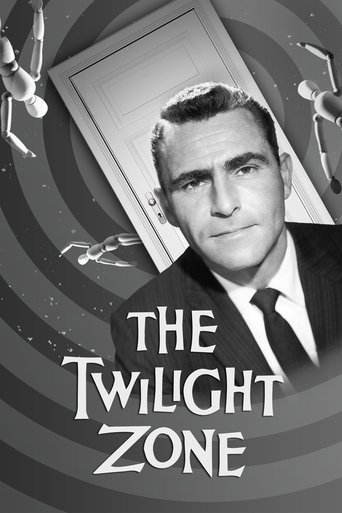
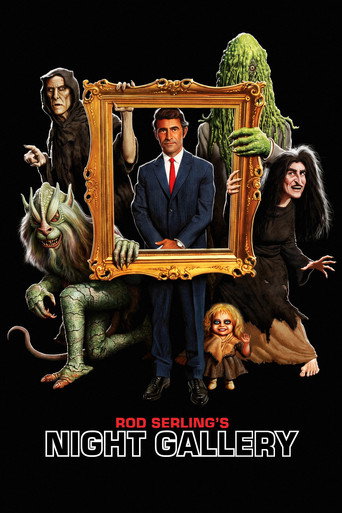
The shelf The Twilight Zone tradition holds thirteen anthologies from 1951 to 2002 of the strange, the uncanny and the suspenseful, the classics of the form, and six of them come from NBC. Its most voted and best rated is The Twilight Zone of 1959, created and introduced by Rod Serling, five seasons and 156 episodes of people who cross into a dimension of sight, sound and mind, rated 8.5 with about 1,100 votes. The series came back twice in the years of the shelf, in 1985, with the narration of Charles Aidman, rated 7.7, and in 2002, with Forest Whitaker as host, and Serling also created Night Gallery, of 1970, in which he presented a painting at the start of each story, rated 7.8.
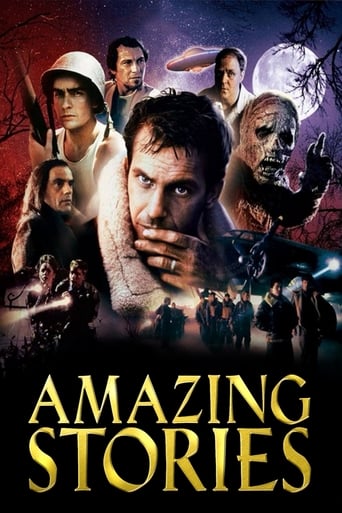
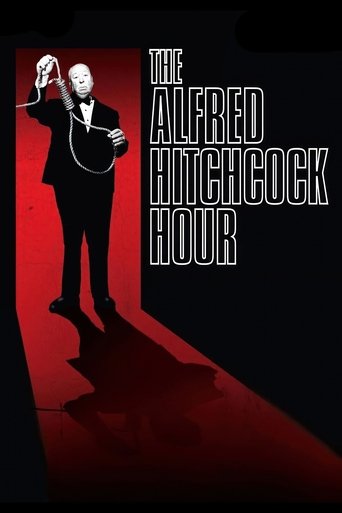
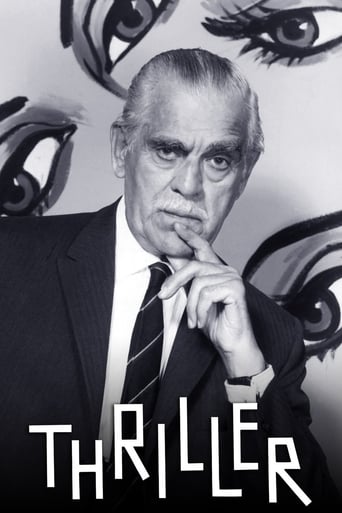
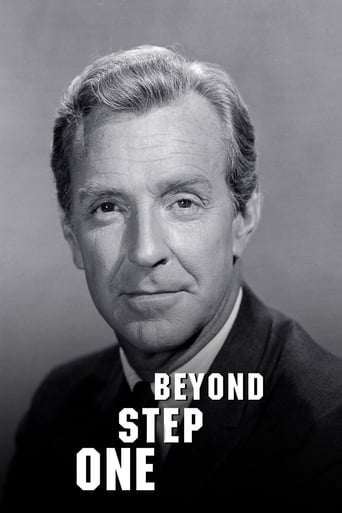
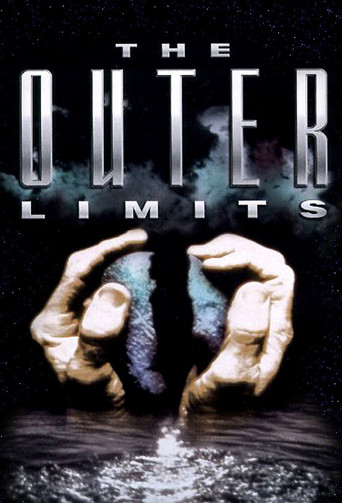
Alfred Hitchcock is the other great host of the shelf. Alfred Hitchcock Presents, of 1955, 268 episodes of half an hour, each opened with his famous profile and his "Good evening", rated 7.8; The Alfred Hitchcock Hour, of 1962, the same in an hour, rated 7.9, and The New Alfred Hitchcock Presents, of 1985, which colourised his old introductions after his death. The science fiction of the classic years is The Outer Limits, of 1963, the anthology of ABC whose control voice took over the television set, rated 7.8; Tales of Tomorrow, of 1951, the oldest series of the shelf, and Amazing Stories, of 1985, by Steven Spielberg. One Step Beyond, of 1959, told stories it called true; Thriller, of 1960, was hosted by Boris Karloff, and The Hitchhiker, of 1983, for HBO, by a drifter on the road. The guide The Twilight Zone tradition follows the shelf.
Horror tales
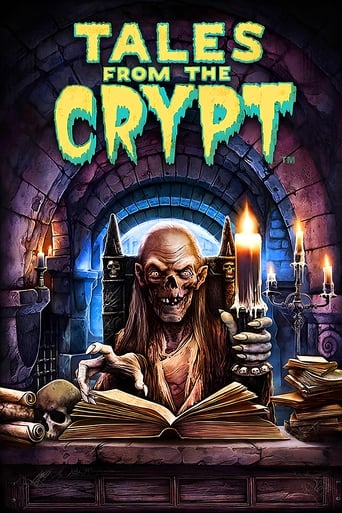
The shelf Horror tales holds thirteen horror anthologies from 1984 to 2022, a new monster, a new curse or a new revenge each episode. Its most voted is Guillermo del Toro's Cabinet of Curiosities, of 2022, for Netflix, eight stories chosen and introduced by the Mexican director, from H. P. Lovecraft to new writers, with about 1,100 votes and a 7.4. The best rated is Tales from the Crypt, of 1989, for HBO, from the comics of EC of the 1950s, with the Crypt Keeper, a cackling corpse, as host, seven seasons and 81 episodes directed by names like Robert Zemeckis, Richard Donner and Tom Hanks, rated 8.0.
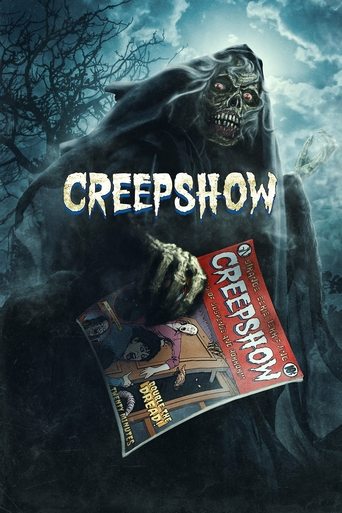
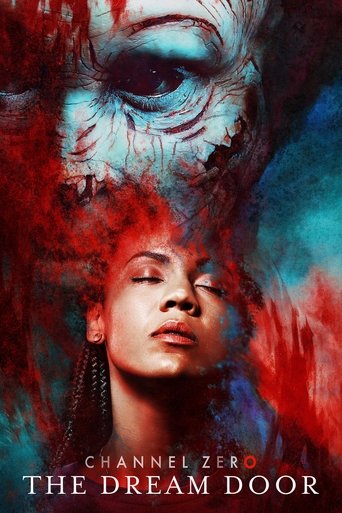
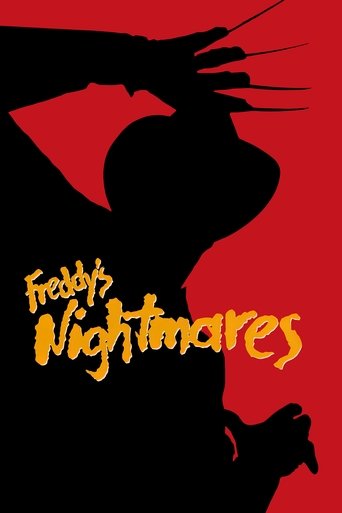
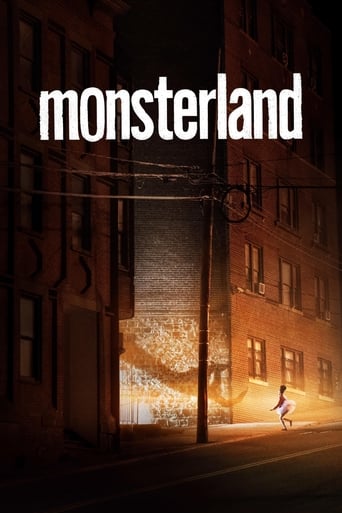
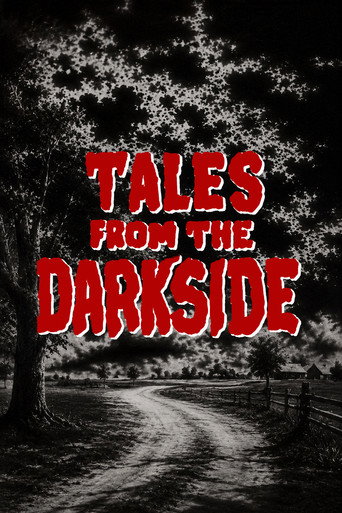
George A. Romero, the father of the modern zombie film, created Tales from the Darkside, of 1984, 89 episodes in syndication, and its heir Monsters, of 1988, came from the same producers. Wes Craven's Freddy Krueger hosted Freddy's Nightmares, of 1988; Mick Garris gathered the great directors of the genre, John Carpenter, Dario Argento and Takashi Miike among them, in Masters of Horror, of 2005, and then made Fear Itself, of 2008, for NBC. Creepshow, of 2019, for Shudder, continues the film of Romero and Stephen King; Channel Zero, of 2016, for Syfy, adapted the horror stories of the internet; Lore, of 2017, for Prime Video, the podcast of the true roots of folklore; Monsterland, of 2020, for Hulu; Two Sentence Horror Stories, of 2019, and the Asian Folklore, of 2018, for HBO Asia, by Eric Khoo, with a ghost of a different country of Asia in each episode, complete the shelf. The guide Horror tales follows the shelf.
Science fiction tales
The shelf Science fiction tales holds thirteen anthologies from 1985 to 2021 of futures, machines and other worlds. Its most voted and best rated is Black Mirror, of 2011, by Charlie Brooker, first for Channel 4 and then for Netflix, the dark side of technology in a new story each episode, from the prime minister and the pig of the first episode to the dating app of Hang the DJ and the virtual heaven of San Junipero, with about 6,600 votes and an 8.3, still returning. Channel 4 also made Philip K. Dick's Electric Dreams, of 2017, ten stories from the writer of Blade Runner, with Bryan Cranston among the producers.
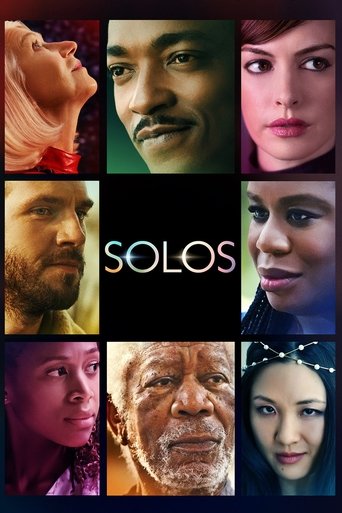
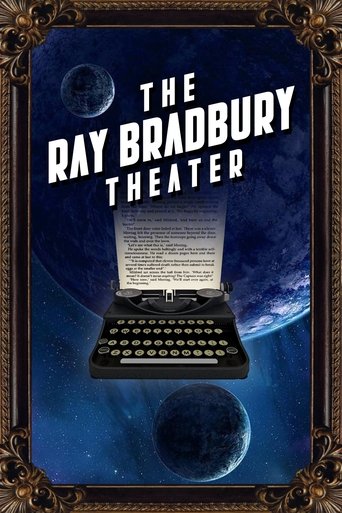
The old anthologies came back too. The Outer Limits, of 1995, for Showtime and then Sci Fi, ran for seven seasons and 153 episodes, the longest of the shelf, rated 7.7; The Twilight Zone of 2019, for CBS All Access, was hosted by Jordan Peele, and Amazing Stories, of 2020, for Apple TV, revived the series of Spielberg. The Ray Bradbury Theater, of 1985, adapted the stories of Ray Bradbury, who introduced each one himself. The new century brought Tales from the Loop, of 2020, from the paintings of Simon Stålenhag; Solos, of 2021, monologues of the future with Anne Hathaway, Morgan Freeman and Helen Mirren; Calls, of 2021, stories told only through the sound of phone calls; Weird City, of 2019, by Jordan Peele; Dimension 404, of 2017; Night Visions, of 2001, and Masters of Science Fiction, of 2007, hosted by Stephen Hawking. The guide Science fiction tales follows the shelf.
Horror by the season
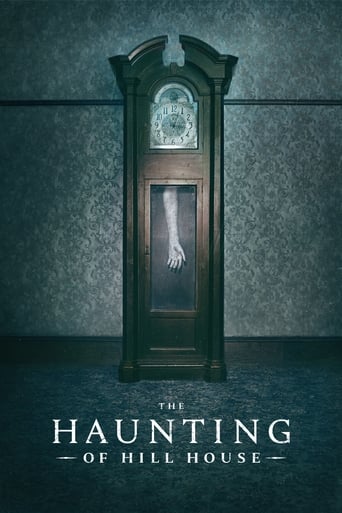
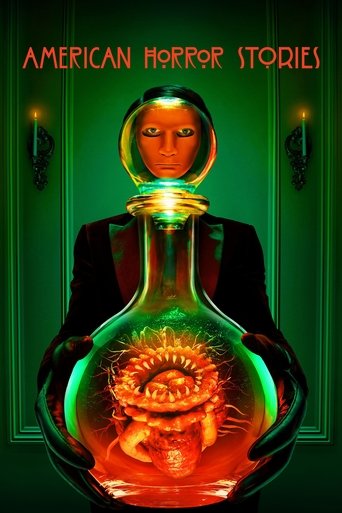
The shelf Horror by the season holds thirteen horror anthologies from 2011 to 2021 that tell one story for a whole season and then begin again, and six of them come from Netflix. It is the most voted shelf of the guide, with about 20,200 votes, and the best rated of its family, with an average of 7.56. Its most voted is American Horror Story, of 2011, by Ryan Murphy and Brad Falchuk, for FX, a haunted house, an asylum, a coven, a freak show, a hotel and a summer camp, one per season, with Jessica Lange, Sarah Paulson and Evan Peters in many roles, thirteen seasons and 145 episodes, rated 8.1 and still returning. Its spin-off American Horror Stories, of 2021, for Hulu, tells a new story each episode, and the same creators made Scream Queens, of 2015, for FOX, a sorority of a college and its masked killer, one story per season.
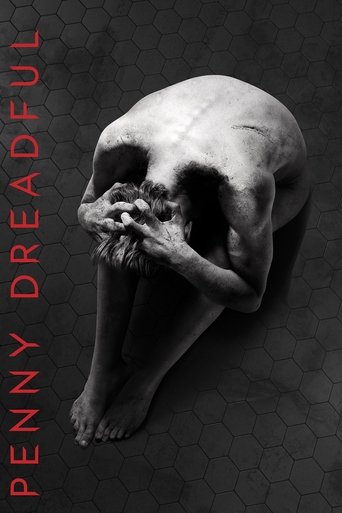
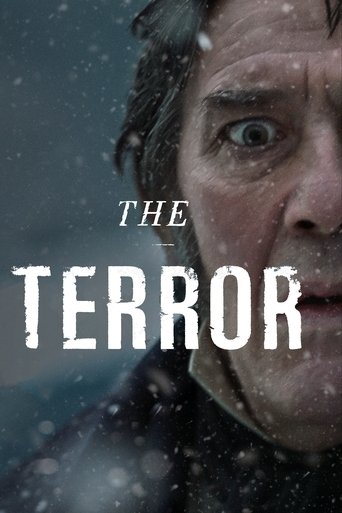
Mike Flanagan gives the shelf its best rated series with Murphy's: The Haunting of Hill House, of 2018, the Crain family and the house that marked their childhood, rated 8.1, and The Haunting of Bly Manor, of 2020, a governess in an English manor, two seasons of one anthology under two titles. Penny Dreadful, of 2014, gathers the monsters of the Victorian novels; The Terror, of 2018, for AMC, sets the lost expedition of Franklin in the Arctic in its first season and the internment of Japanese Americans in its second; Castle Rock, of 2018, for Hulu, plays with the town and the stories of Stephen King; Them, of 2021, for Prime Video, a Black family in a white suburb of the 1950s; Slasher, of 2016, a new masked killer each season; Ratched, of 2020, the youth of the nurse of One Flew Over the Cuckoo's Nest; Hemlock Grove, of 2013, and the French Marianne, of 2019, a writer of horror whose witch is real. The guide Horror by the season follows the shelf.
Crime, life and laughter
The second family, Crime, life and laughter, holds the crime anthologies told one season at a time, the anthologies of love, life and drama, the sketch and story comedy and the live dramas of the golden age of television. Its 52 series carry about 23,100 votes, with an average rating of 6.74, and its most voted are The Act, True Detective, Fargo and The White Lotus. The guide Crime, life and laughter sums up the family.
Crime by the season
The shelf Crime by the season holds thirteen crime anthologies from 2013 to 2021, real or invented, each season a new case. Its most voted is The Act, of 2019, for Hulu, the true story of Dee Dee Blanchard and her daughter Gypsy Rose, with Patricia Arquette and Joey King, eight episodes with about 5,200 votes. The best rated are two series of 2014 at 8.3: True Detective, by Nic Pizzolatto, for HBO, with Matthew McConaughey and Woody Harrelson in its first season and Mahershala Ali in its third, still returning, and Fargo, by Noah Hawley, for FX, a new crime in the snows of the Midwest in each of its five seasons, from the film of the Coen brothers.
The Sinner, of 2017, for USA Network, follows the detective Harry Ambrose through four cases of people who kill and are unable to explain why, rated 7.5. The true crime of the shelf is American Crime Story, of 2016, for FX, by Larry Karaszewski and Scott Alexander, the trial of O. J. Simpson, the murder of Versace and the impeachment of Bill Clinton, rated 7.6; Manhunt, of 2017, the Unabomber and then the bomber of Atlanta; Dr. Death, of 2021, the surgeon Christopher Duntsch; Dirty John, of 2018, and American Crime, of 2015, by John Ridley, for ABC, invented crimes that divide a community. Top of the Lake, of 2013, by Jane Campion, with Elisabeth Moss as a detective in New Zealand and then in Sydney; and Criminal, of 2019, by Netflix, the interrogation rooms of the police of four countries, with its seasons of Britain, Spain and France, complete it. The guide Crime by the season follows the shelf.
Love, life and drama
The shelf Love, life and drama holds thirteen anthologies from 2013 to 2021 of couples, families, workers and strangers, and three of them come from HBO. Its most voted and best rated, at 7.6 with FEUD, is The White Lotus, of 2021, by Mike White, for HBO, the guests and staff of a luxury hotel and the death that ends each season, in Hawaii, in Sicily and in Thailand, still returning. FEUD, of 2017, by Ryan Murphy, for FX, told the rivalry of Bette Davis and Joan Crawford in its first season and Truman Capote and the swans of New York in its second, and Genius, of 2017, for National Geographic, gave each season to one great mind: Einstein, Picasso, Aretha Franklin and Martin Luther King, rated 7.5.
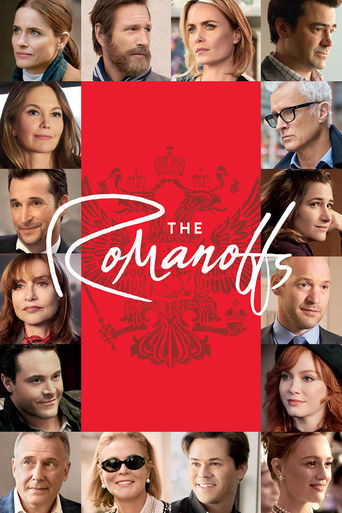
The love stories of the shelf come from the newspaper and the street. Modern Love, of 2019, for Prime Video, adapts the column of the same name of The New York Times, a new couple in each episode, with Anne Hathaway, Tina Fey and Dev Patel; Love Life, of 2020, for HBO Max, follows one person from first love to lasting love in each season; Easy, of 2016, by Joe Swanberg, the couples of Chicago; Little America, of 2020, for Apple TV, the true stories of immigrants to the United States, and Dates, of 2013, for Channel 4, first dates of strangers. Room 104, of 2017, by Mark and Jay Duplass, for HBO, sets every story in the same motel room; High Maintenance, of 2016, follows a cannabis dealer of New York into the lives of his clients; The Girlfriend Experience, of 2016, for Starz; Social Distance, of 2020, the first months of the pandemic, and The Romanoffs, of 2018, by Matthew Weiner, people who believe they descend from the last tsar. The guide Love, life and drama follows the shelf.
Sketch and story comedy
The shelf Sketch and story comedy holds thirteen comedies from 1969 to 2019 in which every sketch or every story starts again from the beginning, and four of them come from Netflix. Its most voted is American Vandal, of 2017, for Netflix, a parody of the true crime documentaries in which students investigate who drew obscene graffiti on the cars of a school and, in its second season, a crime of a Catholic school, with about 360 votes and a 7.4. The best rated is Key & Peele, of 2012, for Comedy Central, the sketches of Keegan-Michael Key and Jordan Peele, rated 7.7.
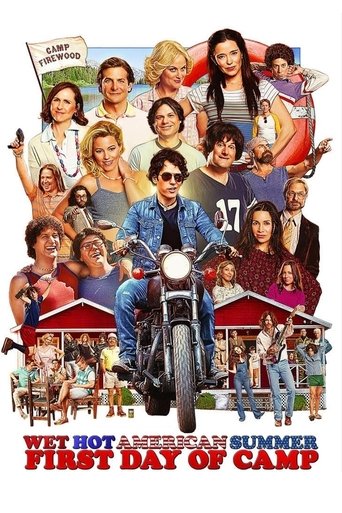
Documentary Now!, of 2015, for IFC, by Seth Meyers, Bill Hader and Fred Armisen, parodies a famous documentary in each episode, with Helen Mirren as host; Drunk History, of 2013, for Comedy Central, has comedians tell stories of history while drunk, acted by famous actors; I Think You Should Leave with Tim Robinson, of 2019, for Netflix, is made of sketches that start ordinary and end in chaos; Portlandia, of 2011, by Fred Armisen and Carrie Brownstein, gave the city of Portland eight seasons of satire, and Wet Hot American Summer: First Day of Camp, of 2015, went back to the summer camp of the cult film. The oldest series of the shelf, Love, American Style, of 1969, for ABC, told a few short romantic comedies in each episode, 357 episodes in all. Kroll Show, Inside Amy Schumer, Comedy Bang! Bang!, The Characters and Random Acts of Flyness complete the shelf. The guide Sketch and story comedy follows the shelf.
The golden age of live drama
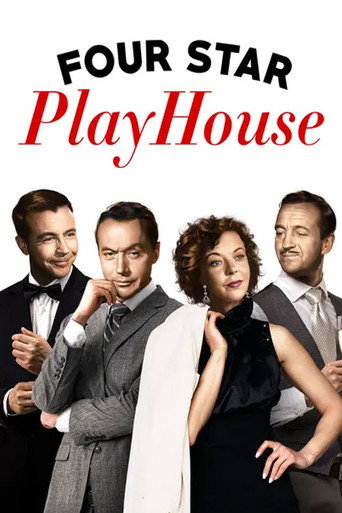
The shelf The golden age of live drama holds thirteen anthologies from 1948 to 1956, the years when American television drama was broadcast live from the studios of New York, a new play each week in front of the cameras, and seven of them come from CBS. Their voters on TMDB are few, but they hold about 3,900 episodes, more than any other shelf of the guide. The oldest are The Philco Television Playhouse, of 1948, for NBC, which broadcast Marty with Rod Steiger in 1953, and Studio One, of 1948, for CBS, the first home of 12 Angry Men in 1954, ten seasons and 466 episodes. Robert Montgomery Presents, of 1950, was hosted by the actor himself; Lux Video Theatre, of 1950, adapted the films of Hollywood with their stars, and Four Star Playhouse, of 1952, founded by Dick Powell, Charles Boyer and David Niven, gave the stars of the cinema their first roles on television.
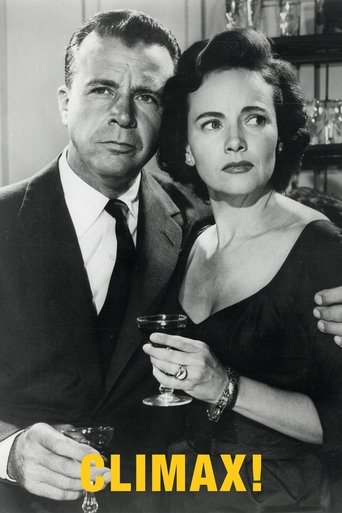
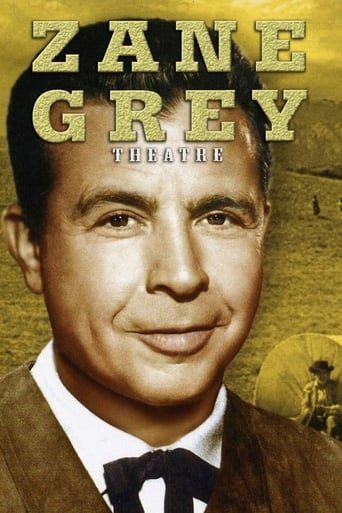
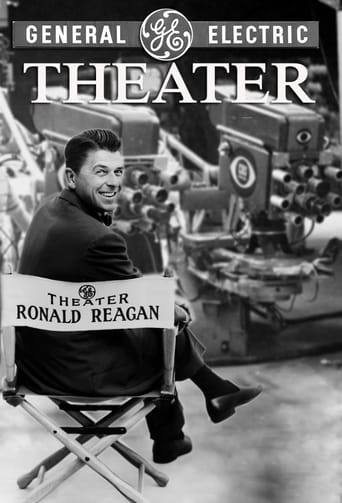
The best rated of the shelf, by its eight voters, is Hallmark Hall of Fame, of 1951, still returning after more than seventy years, the longest-running prime-time series in the history of American television, rated 8.8. Playhouse 90, of 1956, for CBS, ninety minutes of drama each week, live at first, the home of Requiem for a Heavyweight and Days of Wine and Roses, is rated 7.5. General Electric Theater, of 1953, was hosted for eight years by Ronald Reagan, the future president; Climax!, of 1954, broadcast the first adaptation of a James Bond novel, Casino Royale, in 1954; Matinee Theater, of 1955, for NBC, a play every weekday afternoon, in colour, 574 episodes; Death Valley Days, of 1952, told true stories of the Old West for eighteen seasons, with Reagan as one of its hosts, and Dick Powell's Zane Grey Theatre, of 1956, and The United States Steel Hour, of 1953, complete the shelf. The guide The golden age of live drama follows the shelf.
Animation, children and the world
The third family, Animation, children and the world, holds the animated anthologies, the tales for children and the anthologies of Britain and Asia. Its 52 series carry about 14,800 votes, with an average rating of 7.13, and its most voted are What If...?, Love, Death & Robots, Girl from Nowhere and Goosebumps. The guide Animation, children and the world sums up the family.
Animated anthologies
The shelf Animated anthologies holds thirteen animated anthologies from 2003 to 2024, and it is the best rated shelf of the guide, with an average of 7.61 and six series rated 8 or more. Its most voted is the What If...? of Marvel, of 2021, for Disney+, with Jeffrey Wright as the Watcher who shows what the heroes of the films would have become if one moment had gone otherwise, rated 8.0 with about 4,700 votes. The best rated is Love, Death & Robots, of 2019, for Netflix, produced by Tim Miller and David Fincher, short films of science fiction and horror by studios of many countries, each in its own style, rated 8.2. Star Wars gives the shelf three: Star Wars: Visions, of 2021, the galaxy seen by the studios of anime of Japan and then of the world; Star Wars: Tales of the Jedi, of 2022, by Dave Filoni, rated 8.0, and Star Wars: Tales of the Empire, of 2024, the newest series of the guide.
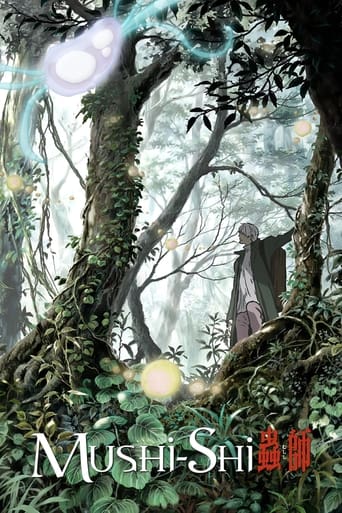
Japan gives the shelf its anthologies of ghosts and wonders. Mushi-Shi, of 2005, a wanderer who heals the troubles caused by strange primitive life, rated 8.1; Mononoke, of 2007, a medicine seller who exorcises spirits, rated 8.0; Junji Ito Collection, of 2018, the horror of the master of manga, 8.0, and its successor of 2023 for Netflix; Kino's Journey, of 2003, a traveller who stays three days in each country she visits; Ayakashi: Samurai Horror Tales, of 2006; the Aoi Bungaku Series, of 2009, the great novels of modern Japan, and Theatre of Darkness: Yamishibai, of 2013, the ghost stories told by a man with a paper theatre, still returning after seventeen seasons of short episodes. The guide Animated anthologies follows the shelf.
Tales for children
The shelf Tales for children holds thirteen anthologies from 1982 to 2019 of fairy tales, legends and gentle frights, and six of them are rated 8 or more. Its most voted is Goosebumps, of 1995, for FOX, from the books of R. L. Stine, a new scare for young viewers in each episode, four seasons and 74 episodes, rated 8.0; Stine returned with R. L. Stine's The Haunting Hour, of 2010, rated 8.2, and the campfire stories of the Midnight Society came back in Are You Afraid of the Dark?, of 2019, for Nickelodeon. Tales from the Cryptkeeper, of 1993, made the host of Tales from the Crypt a cartoon for children.
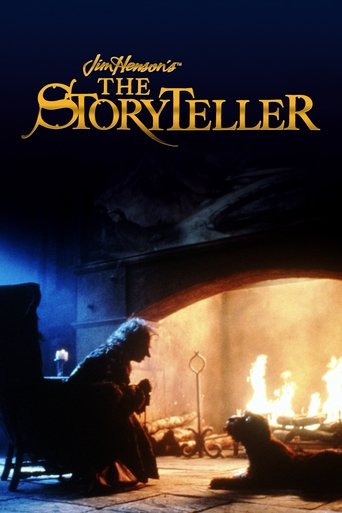
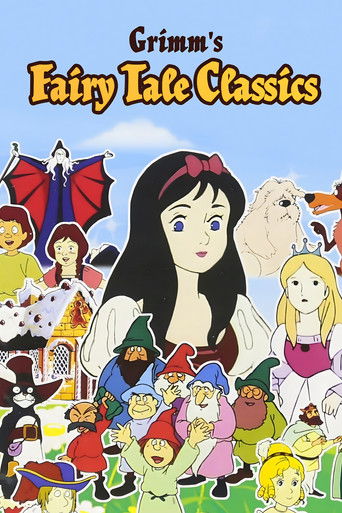
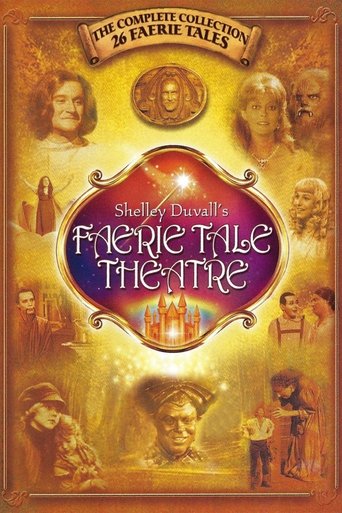
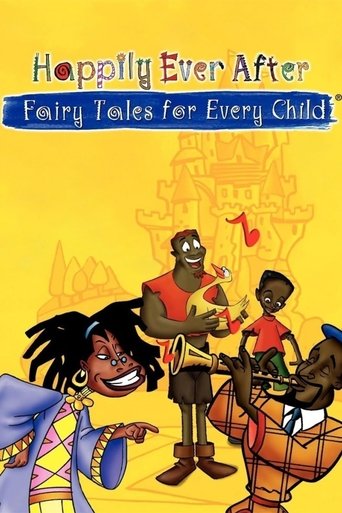
The fairy tales hold the rest of the shelf. The best rated is the Japanese Grimm's Fairy Tale Classics, of 1987, the tales of the brothers Grimm in anime, rated 8.3. Jim Henson made The Storyteller, of 1988, with John Hurt telling old European tales by the fire to his dog, and The Storyteller: Greek Myths, of 1991, with Michael Gambon, both at 8.2. Shelley Duvall produced and introduced three: Faerie Tale Theatre, of 1982, for Showtime, the classic tales played by the stars of Hollywood, rated 8.1; Tall Tales & Legends, of 1985, and Shelley Duvall's Bedtime Stories, of 1992. Happily Ever After: Fairy Tales for Every Child, of 1995, for HBO, told the tales in cultures of the whole world; Shakespeare: The Animated Tales, of 1992, and Animated Tales of the World, of 2001, made in Britain and Wales with studios of Russia and many countries, and Hello Kitty's Furry Tale Theater, of 1987, complete it. The guide Tales for children follows the shelf.
British anthologies
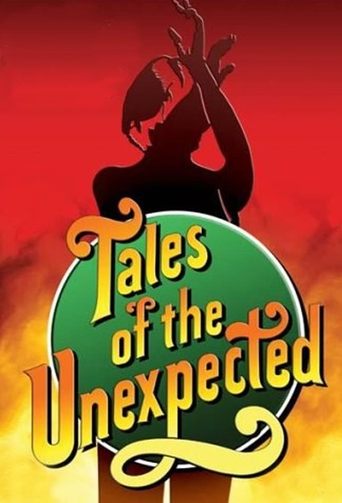
The shelf British anthologies holds thirteen anthologies of British television from 1956 to 2017, and seven of them come from ITV. Its most voted and best rated is the BBC Two series of 2014 by Reece Shearsmith and Steve Pemberton of The League of Gentlemen, whose title names the number of the house, flat or room where each story takes place, nine series and 53 episodes of comedy and horror, each with a twist, rated 8.1. Tales of the Unexpected, of 1979, for ITV, introduced at first by Roald Dahl in an armchair by the fire, adapted his stories and those of others, nine series and 112 episodes.
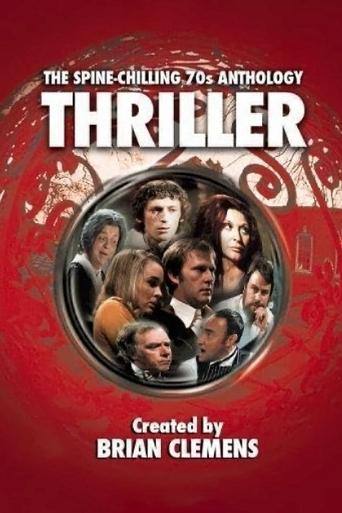
The great dramas of British television began as anthologies. Armchair Theatre, of 1956, for ITV, created by Sydney Newman, who later created Doctor Who, ran for 446 plays; Newman also brought The Wednesday Play, of 1964, to the BBC, where it gave way to Play for Today, of 1970, 314 plays, from Abigail's Party to Nuts in May. Horror and the supernatural fill the rest of the shelf: A Ghost Story for Christmas, of 1971, the ghost stories of M. R. James for Christmas Eve on BBC One, still returning; Hammer House of Horror, of 1980, and Hammer House of Mystery and Suspense, of 1984, from the studio of the horror films; Beasts, of 1976, by Nigel Kneale; Out of the Unknown, of 1965, science fiction of the BBC; Thriller, of 1973, by Brian Clemens, and Armchair Thriller, of 1978. Urban Myths, of 2017, for Sky Arts, tells the strange true stories of famous people. The guide British anthologies follows the shelf.
Asian anthologies
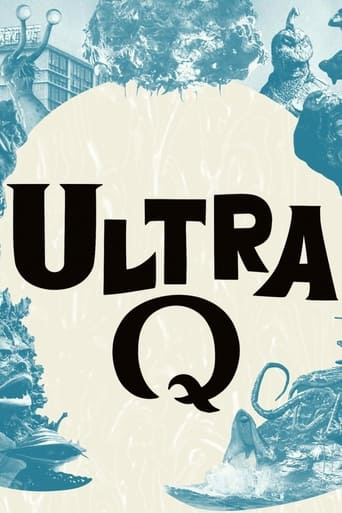
The shelf Asian anthologies holds thirteen anthologies of Japan, Korea, India, Thailand and the Philippines from 1966 to 2022, and four of them were made for Netflix. Its most voted and best rated is the Thai Girl from Nowhere, of 2018, for GMM 25 and then Netflix, in which a mysterious student called Nanno appears at a new school in each episode to expose its lies and cruelties, rated 8.5 with about 970 votes, one of the best rated series of the guide. The oldest is the Japanese Ultra Q, of 1966, for TBS, the anthology of monsters and strange phenomena in black and white that came before Ultraman, rated 8.0.
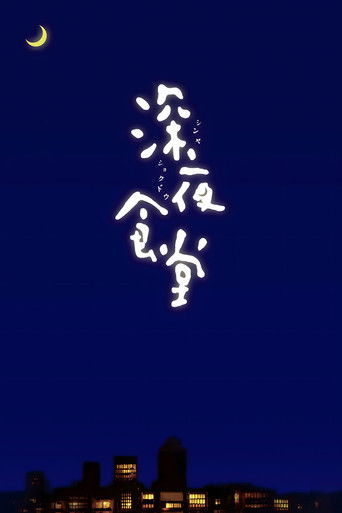
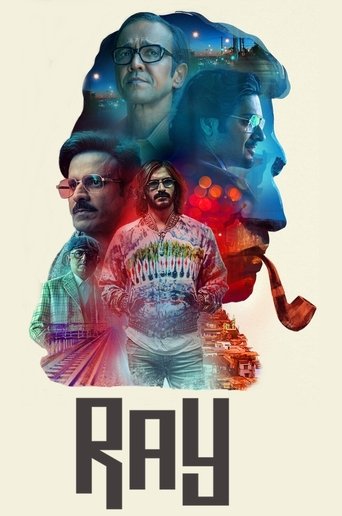
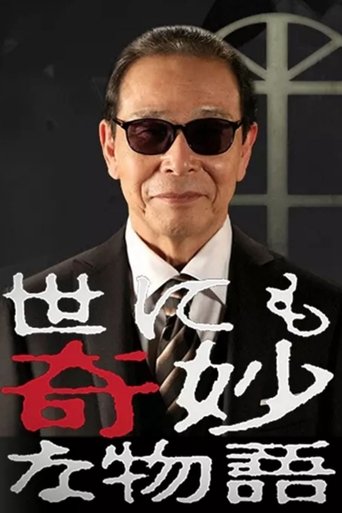
Japan gives the shelf four more. Tales of the Bizarre, of 1990, for Fuji TV, known at home as Yo nimo Kimyō na Monogatari, a new strange story each week, introduced by the actor Tamori in sunglasses, still returning in specials after more than thirty years; Midnight Diner, of 2009, the small restaurant of Tokyo open from midnight to seven and its customers, one story each night, rated 8.2, and its Netflix sequel Midnight Diner: Tokyo Stories, of 2016, and Modern Love Tokyo, of 2022. India gives Modern Love Mumbai, of 2022; Ray, of 2021, four stories of Satyajit Ray for Netflix, and Feels Like Ishq, of 2021, six short love stories. Korea gives SF8, of 2020, eight science fiction films by eight directors, and Drama Stage, of 2017, the single dramas of tvN by new writers, still returning. The Philippine Maalaala Mo Kaya, of 1991, for ABS-CBN, told the true stories of letters sent by its viewers for 334 episodes, and the Thai Bangkok Love Stories, of 2018, completes the shelf. The guide Asian anthologies follows the shelf.
The hosts
Many anthologies are held together by a host, a familiar face or voice who opens and closes each story and gives the series its tone. Rod Serling, a writer who walked into the frame with a cigarette, introduced every episode of The Twilight Zone and later of Night Gallery; Alfred Hitchcock opened his series in profile with a dry "Good evening" for ten years; Boris Karloff, the monster of the Frankenstein films, introduced Thriller, and Roald Dahl sat by the fire in the first series of Tales of the Unexpected. Horror gave its hosts the faces of its monsters: the Crypt Keeper, a puppet with a cackle, in Tales from the Crypt; Freddy Krueger, played by Robert Englund, in Freddy's Nightmares.
The hosts of the new century are its auteurs. Guillermo del Toro introduces each story of his Cabinet of Curiosities in front of a cabinet of objects; Jordan Peele took the place of Serling in The Twilight Zone of 2019 and also made Weird City; Jeffrey Wright gives his voice to the Watcher of What If...?, and Stephen Hawking introduced the episodes of Masters of Science Fiction. Some anthologies share a cast rather than a host: Sarah Paulson and Evan Peters appear in many seasons of American Horror Story, and Reece Shearsmith and Steve Pemberton play new characters in every episode of their BBC anthology. The guide The hosts follows them.
The art of the twist
The episodic anthology lives on its last minute. Because the characters will be gone next week, the writer can turn the story upside down at the end, and the viewers learn to wait for the turn. The Twilight Zone made the twist famous: the alien book To Serve Man that turns out to be a cookbook, the woman in Eye of the Beholder whose doctors are the ones with the faces that frighten us, the reader who survives the end of the world and breaks his glasses in Time Enough at Last. Roald Dahl gave Tales of the Unexpected the same cruel endings, like the wife of Lamb to the Slaughter who serves the police the leg of lamb she killed her husband with.
The anthologies of the new century inherited the habit. Black Mirror built whole episodes towards a single revelation, as in White Christmas and Shut Up and Dance, and the BBC anthology of Reece Shearsmith and Steve Pemberton made the twist its trademark, sometimes twice in thirty minutes. The horror tales of Tales from the Crypt ended with a punishment that fitted the crime, and the Thai Girl from Nowhere ends each episode with Nanno turning the cruelty of a school back on its authors. The guide The art of the twist follows the endings.
The seasonal anthology
The seasonal anthology is the newest form of the guide and the most successful of the 2010s. Instead of a new story each week, it tells one story over eight or ten episodes and then starts again the next year with a new place and often a new cast, so that it can bring great actors to television for a single season. Ryan Murphy began it with American Horror Story in 2011, keeping a company of actors, Jessica Lange, Sarah Paulson and Evan Peters among them, who change roles every season; HBO followed with True Detective in 2014, with Matthew McConaughey and Woody Harrelson for its first case, and FX with Fargo the same year.
The form spread to every genre. Crime gave American Crime Story and The Sinner; horror gave The Terror, Castle Rock and the two Haunting series of Mike Flanagan; drama gave FEUD, Genius and The White Lotus, whose second and third seasons moved the same satire of the rich from Hawaii to Sicily and Thailand; and Netflix made Criminal, one season in each of four countries with the same interrogation room. The guide The seasonal anthology follows the form.
The networks
Netflix is the first network of 22 anthologies of the guide, from Black Mirror, which it took over from Channel 4, to the Cabinet of Curiosities, Love, Death & Robots and the Haunting series of Mike Flanagan, the sign of how much the streaming services love a series that can begin again each season. The old networks follow with the classics of the 1950s and 1960s: NBC with eleven, from The Philco Television Playhouse to Alfred Hitchcock Presents; CBS with ten, from Studio One and Playhouse 90 to The Twilight Zone, and ABC with nine. HBO and Prime Video have eight each, ITV seven, and Hulu and Showtime five each. The guide The networks lists them all.
WatchEpisodeSeries in figures
The 156 anthologies of the guide carry about 74,400 votes on TMDB, with an average rating of 7.03, and 24 of them reach 8 or more; the collection Rated 7.5 or more gathers the 49 rated 7.5 or more with at least twenty votes, best first, from The Twilight Zone and Girl from Nowhere at 8.5 to Black Mirror, True Detective and Fargo at 8.3. The most voted are Black Mirror, with about 6,600 votes, American Horror Story, The Act, What If...?, True Detective and Love, Death & Robots. Together they hold 603 seasons and about 10,600 episodes; the longest is Matinee Theater, with 574 plays, ahead of Studio One with 466 and Death Valley Days with 452, and the shortest are the Spanish and French seasons of Criminal, with three episodes each.
By the decade of their first episode, the guide holds two anthologies of the 1940s, sixteen of the 1950s, seven each of the 1960s and 1970s, sixteen of the 1980s, eight of the 1990s, twelve of the 2000s, 63 of the 2010s and 25 of the 2020s; the collection Before 1970 gathers the 25 oldest, oldest first. Of the 156 series, 130 are in English, fourteen in Japanese, three in Hindi, two each in Thai, French and Korean, and one each in Spanish, Indonesian and Tagalog, and eleven are still returning, gathered in the collection Still returning. The guide The figures gathers every number.
Where to begin
For a first evening, the anthology is the easiest of all series to start: any episode will do. Take one story from each family: Tales from the Crypt or Black Mirror for the strange and the eerie, Fargo or True Detective for crime, life and laughter, and Love, Death & Robots or Girl from Nowhere for animation, children and the world. Then follow your mood: The Haunting of Hill House for a whole season of fear, Documentary Now! for laughter, Modern Love for a love story in half an hour, Mushi-Shi for calm and wonder, The Storyteller for the oldest tales of Europe, and Playhouse 90 for the live drama of the 1950s. Because each story stands alone, an anthology can also be watched out of order: the guide of each series lists its episodes with their dates, so that a viewer can pick a title that sounds promising, a director they admire or a season set in a place they know, and move on to another series the next evening. Families can share Goosebumps or R. L. Stine's The Haunting Hour, and viewers in search of something rare can try the Japanese Ultra Q of 1966 or the British Out of the Unknown of 1965. The guide Start with WatchEpisodeSeries gives a first route.
How to use WatchEpisodeSeries
The home page opens with an introduction in a dark panel under the navy header and the board Trending Shelves, a tab bar with a sky-blue line over the twelve shelves, shown as dark tiles in three columns, one per family, each with a small numbered circle in sky blue, crimson or green, the family in small coral letters, the name of the shelf in white and its number of series in sky blue beside a glowing star. Each row of posters sits in a dark panel under a tab bar with a sky-blue line and a See all link, which opens the full shelf. The menu in the header leads to the three families, and the search box finds any series by its title; the guide Search tips explains how.
Each poster shows the year of the first episode on a dark tag, the TMDB rating on a sky-blue tag and, at the bottom, the tag of its shelf over a dark gradient, for example Twilight or Children; under the poster come the title, the first genre and the number of episodes. The series page has the English synopsis, the creators, the cast, the network and the list of episodes, so that the stories of an anthology can be chosen one by one. The Watch now button opens the series on JustWatch, which shows the services that offer it in your country, and the button Add to My List keeps it in My list, stored in your browser. The guide How to use WatchEpisodeSeries explains each part, and the guide The Watch now button explains how JustWatch works.
Questions
What is WatchEpisodeSeries
An English guide to 156 anthology series, with a new story in every episode or every season, on twelve shelves in three families.
What is an anthology series
A series that tells a new story in every episode or every season, with new characters and often a new cast.
How were the series chosen
By hand from TMDB, among the anthologies of every period and country.
Which anthology has the most votes
Black Mirror, of 2011, with about 6,600 votes.
Which anthologies are the best rated
The Twilight Zone of 1959 and Girl from Nowhere, with an 8.5 each.
Which is the oldest anthology
The Philco Television Playhouse and Studio One, both first shown in 1948.
Which anthology has the most episodes
Matinee Theater, with 574 plays.
Which network has the most anthologies
Netflix, with 22.
Where can I watch the series
The Watch now button opens each series on JustWatch, which shows the services that offer it in your country.
Where is My list kept
In your browser, on the device where you create it.
